2021
Lifebuoy
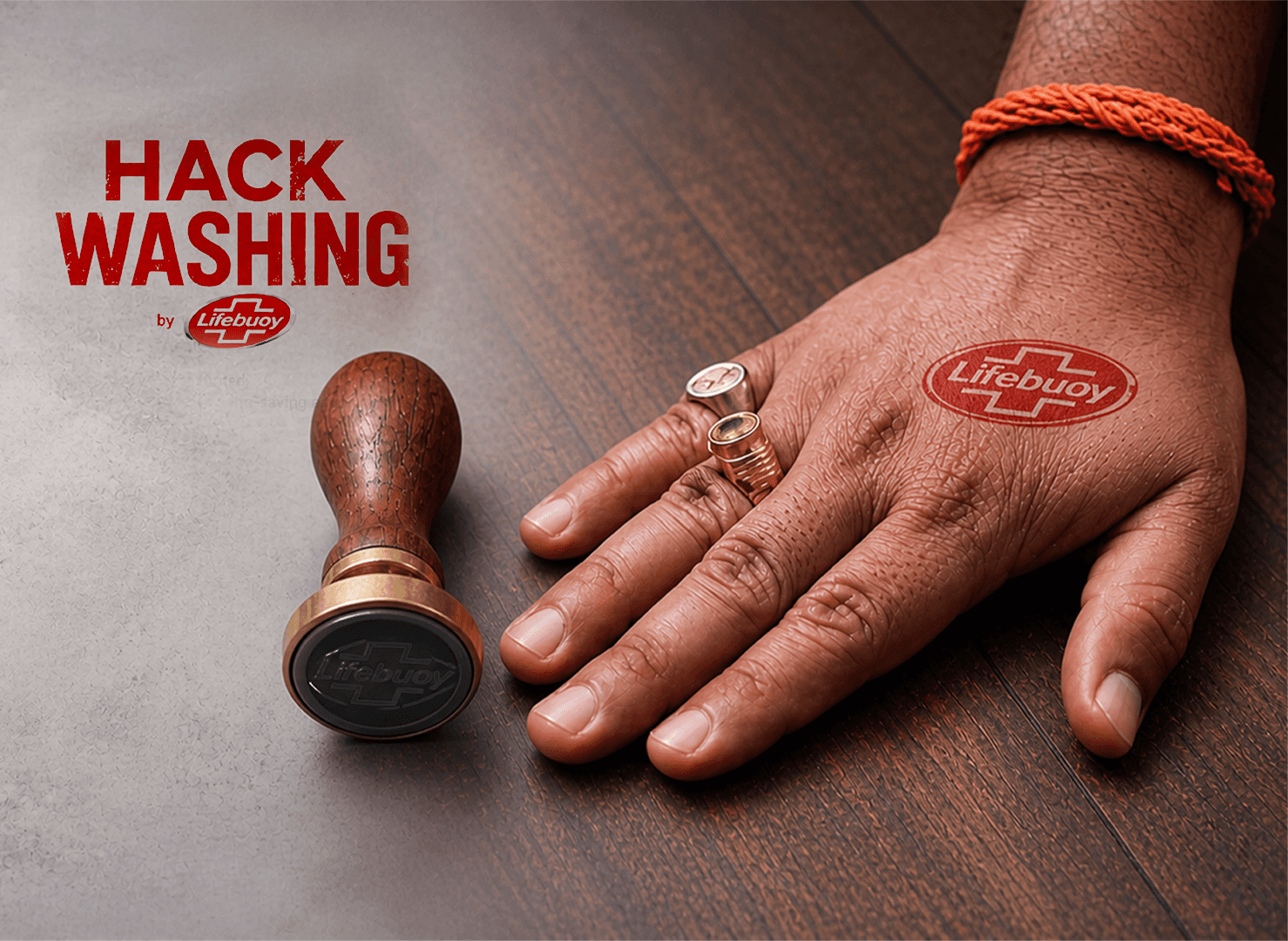
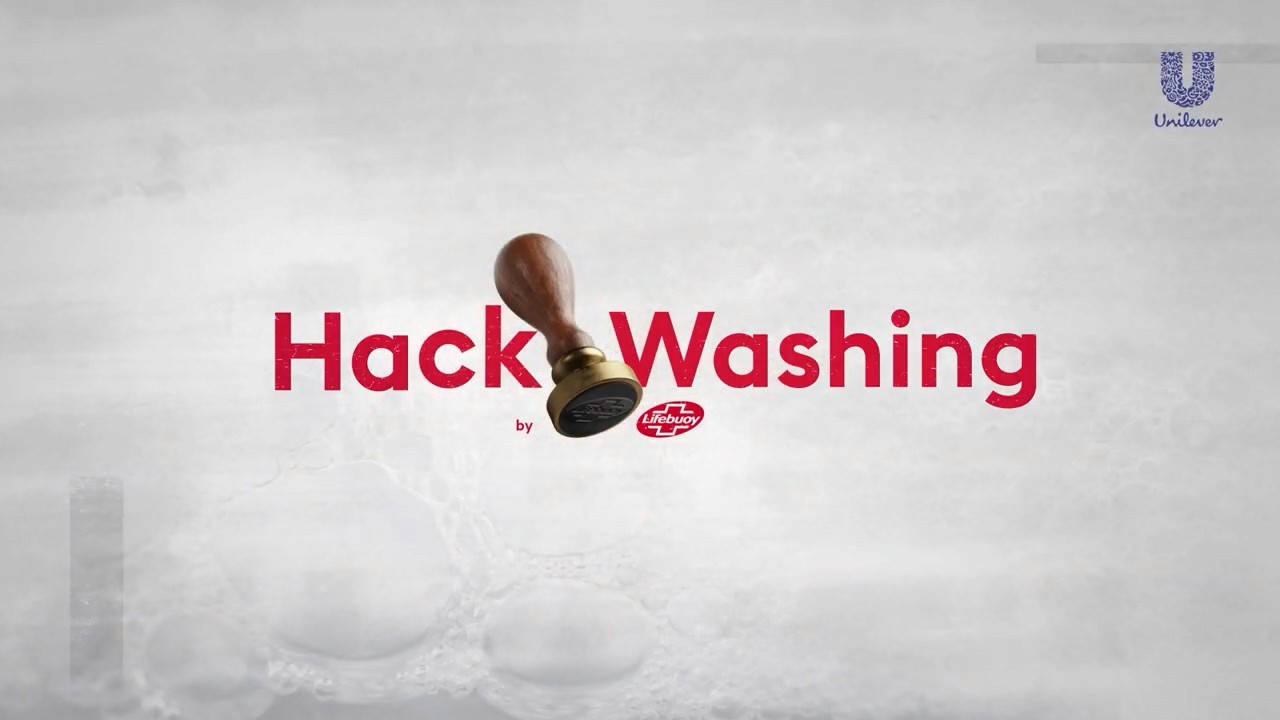
Hackwashing helped to transform an unsanitary habit into life-saving action instantly and helped protect 150 million people with no samples or waste.
Cannes Lions 2021
On-ground Campaign
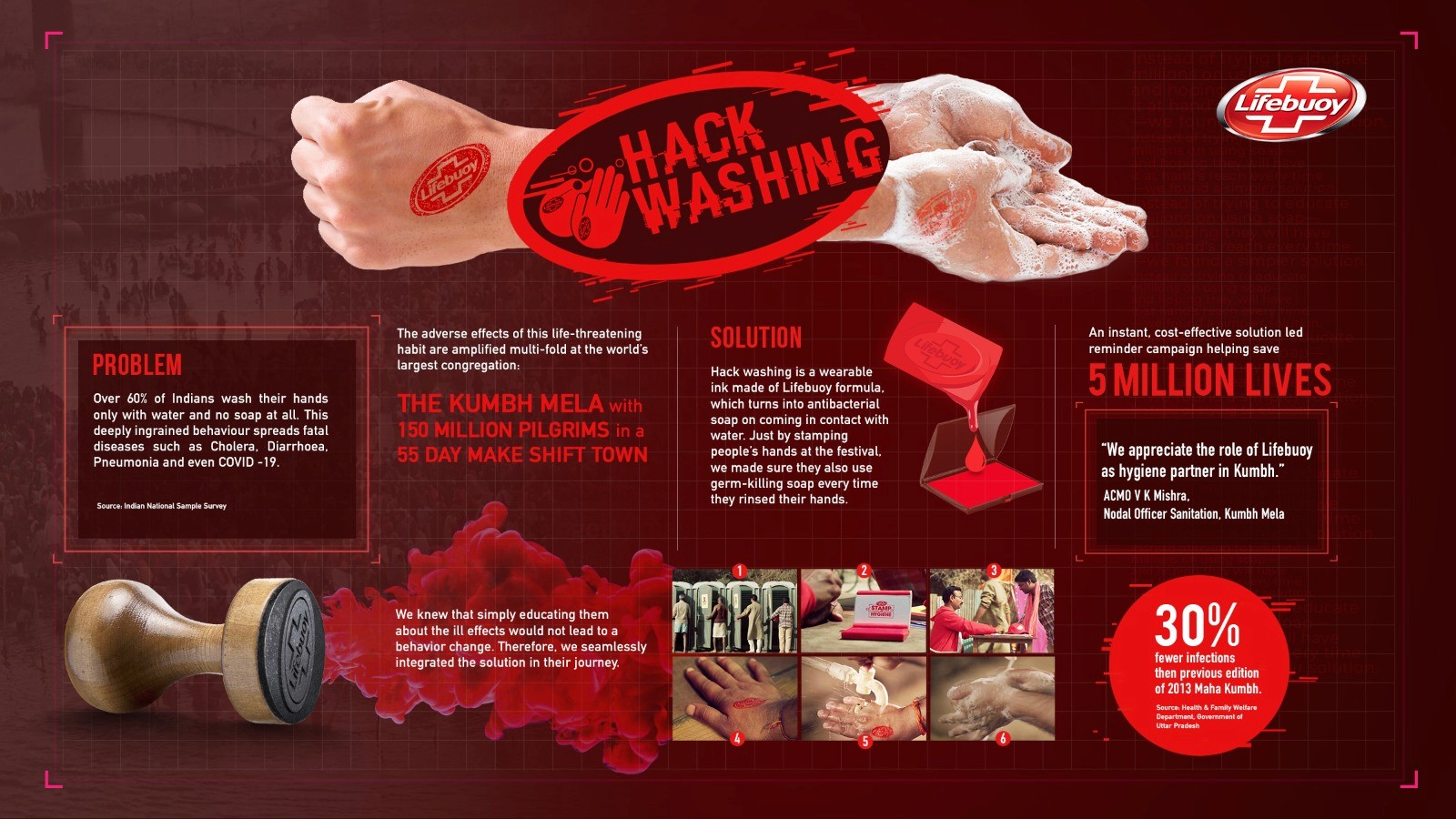
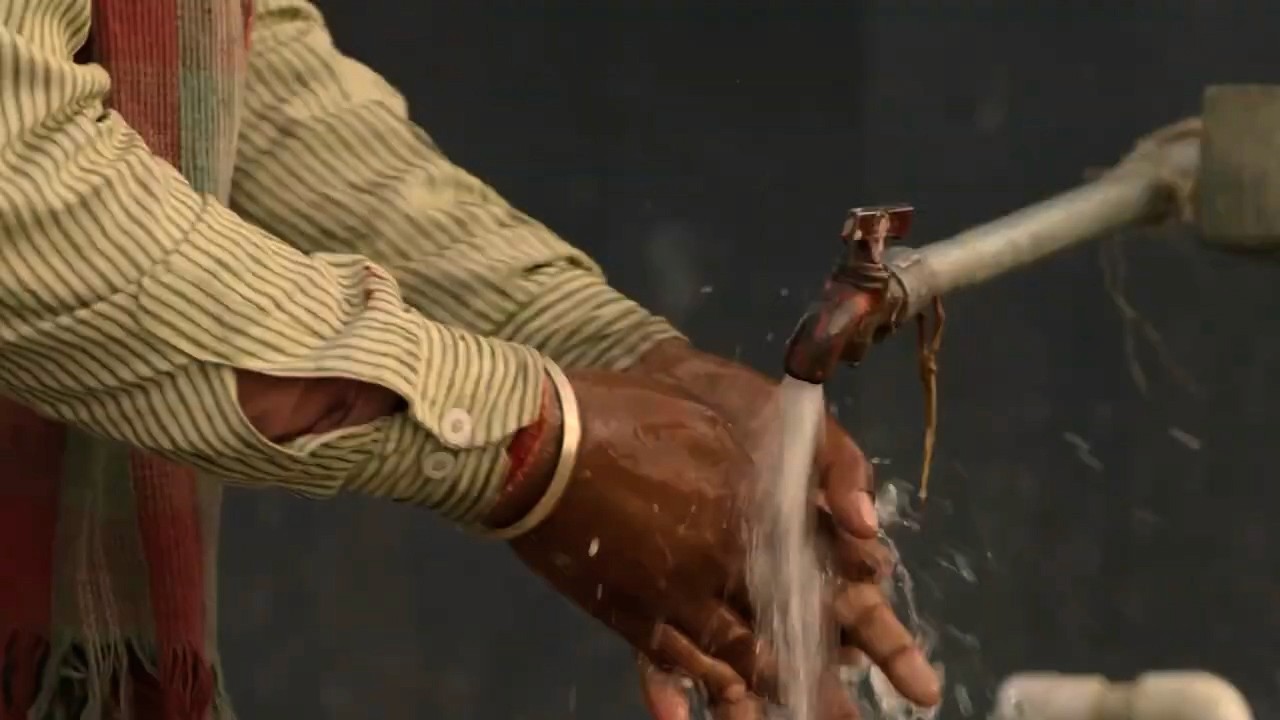
At the Kumbh Mela, the world's largest human gathering, over 150 million pilgrims congregate in a temporary city with limited sanitation facilities. Recognizing that over 60% of Indians wash their hands with water alone, Lifebuoy aimed to instill proper handwashing habits to prevent the spread of diseases
Execution
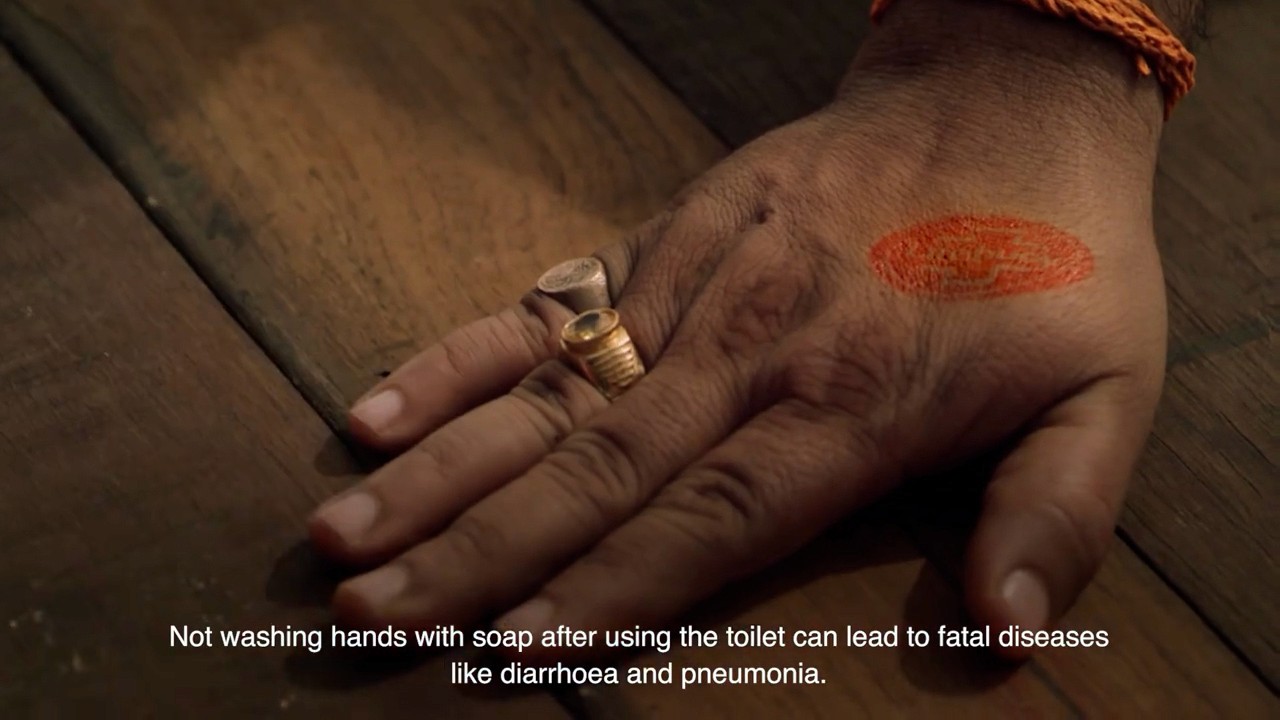
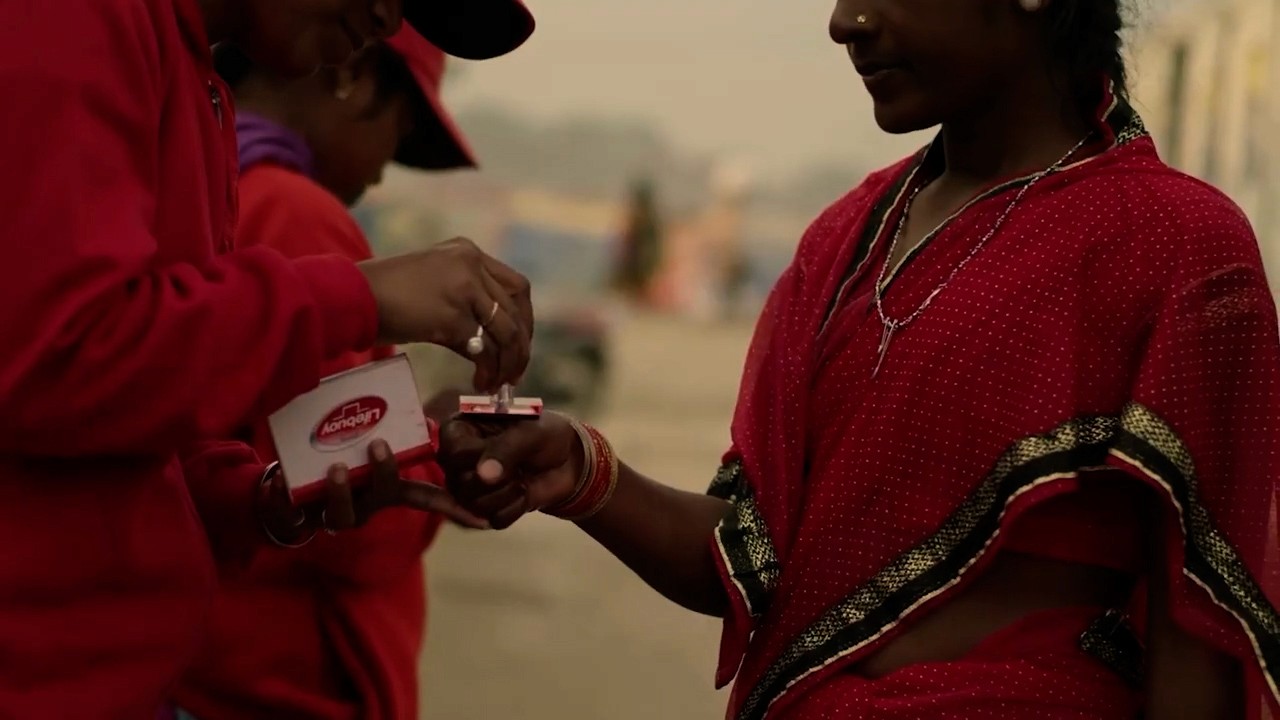
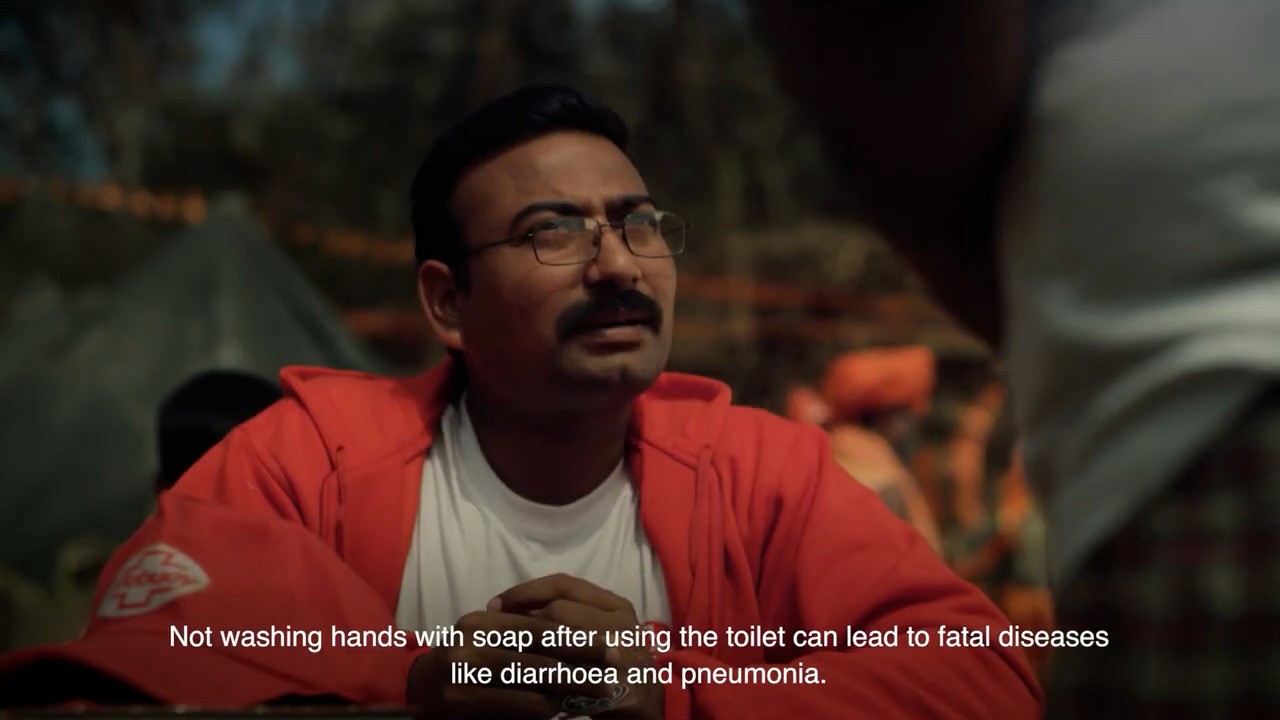
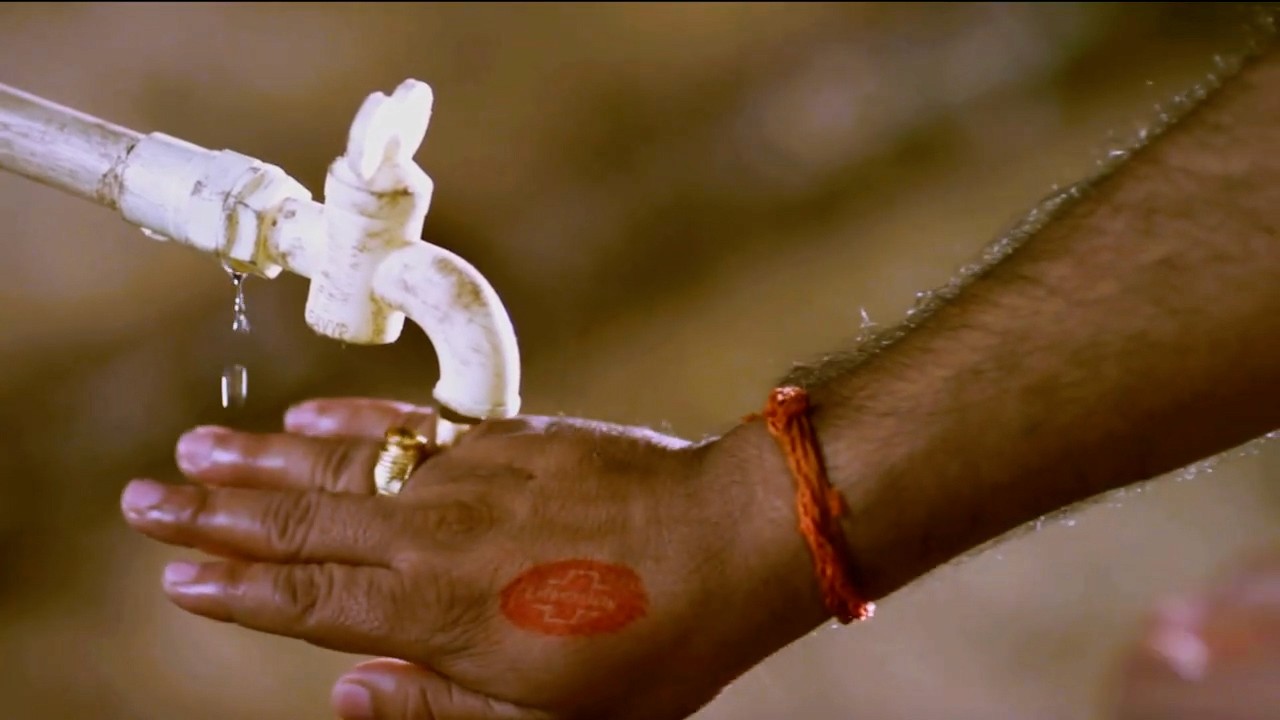
During the 55-day Kumbh Mela, Lifebuoy implemented the Hackwashing initiative across 4,200 tents, 660 mass food courts, and 150,000 portable toilets. By stamping attendees' hands with the Lifebuoy-infused ink, they ensured that when individuals washed their hands with water, the ink lathered into soap, effectively promoting hand hygiene without the need for additional resources or behavioral changes.
This intervention seamlessly integrated into the pilgrims' routines, reinforcing the importance of using soap and making handwashing an unavoidable action before meals or after using the restroom.
Case Study
Result
Reached approximately 150 million people during the festival.
Achieved a 30% reduction in infections compared to the previous Kumbh Mela, as reported by the Health & Family Welfare Department, Government of Uttar Pradesh.
Recognized as one of the world's first instant re-education campaigns, teaching millions the importance of using soap without distributing free samples or generating waste.
Demonstrated how a simple, cost-effective idea could lead to significant public health improvements
More Works
©2026
2021
Lifebuoy
Hackwashing helped to transform an unsanitary habit into life-saving action instantly and helped protect 150 million people with no samples or waste.
Cannes Lions 2021
On-ground Campaign
At the Kumbh Mela, the world's largest human gathering, over 150 million pilgrims congregate in a temporary city with limited sanitation facilities. Recognizing that over 60% of Indians wash their hands with water alone, Lifebuoy aimed to instill proper handwashing habits to prevent the spread of diseases
Execution
During the 55-day Kumbh Mela, Lifebuoy implemented the Hackwashing initiative across 4,200 tents, 660 mass food courts, and 150,000 portable toilets. By stamping attendees' hands with the Lifebuoy-infused ink, they ensured that when individuals washed their hands with water, the ink lathered into soap, effectively promoting hand hygiene without the need for additional resources or behavioral changes.
This intervention seamlessly integrated into the pilgrims' routines, reinforcing the importance of using soap and making handwashing an unavoidable action before meals or after using the restroom.
Case Study
Result
Reached approximately 150 million people during the festival.
Achieved a 30% reduction in infections compared to the previous Kumbh Mela, as reported by the Health & Family Welfare Department, Government of Uttar Pradesh.
Recognized as one of the world's first instant re-education campaigns, teaching millions the importance of using soap without distributing free samples or generating waste.
Demonstrated how a simple, cost-effective idea could lead to significant public health improvements
More Works
©2026
2021
Lifebuoy
Hackwashing helped to transform an unsanitary habit into life-saving action instantly and helped protect 150 million people with no samples or waste.
Cannes Lions 2021
On-ground Campaign
At the Kumbh Mela, the world's largest human gathering, over 150 million pilgrims congregate in a temporary city with limited sanitation facilities. Recognizing that over 60% of Indians wash their hands with water alone, Lifebuoy aimed to instill proper handwashing habits to prevent the spread of diseases
Execution
During the 55-day Kumbh Mela, Lifebuoy implemented the Hackwashing initiative across 4,200 tents, 660 mass food courts, and 150,000 portable toilets. By stamping attendees' hands with the Lifebuoy-infused ink, they ensured that when individuals washed their hands with water, the ink lathered into soap, effectively promoting hand hygiene without the need for additional resources or behavioral changes.
This intervention seamlessly integrated into the pilgrims' routines, reinforcing the importance of using soap and making handwashing an unavoidable action before meals or after using the restroom.
Case Study
Result
Reached approximately 150 million people during the festival.
Achieved a 30% reduction in infections compared to the previous Kumbh Mela, as reported by the Health & Family Welfare Department, Government of Uttar Pradesh.
Recognized as one of the world's first instant re-education campaigns, teaching millions the importance of using soap without distributing free samples or generating waste.
Demonstrated how a simple, cost-effective idea could lead to significant public health improvements
More Works
©2026